
71 Tannery Lane
Generations @ Tannery
71 Tannery Lane

TENURE
Freehold
EXPECTED TOP
Q1 2029
NUM OF STOREYS
12
TOTAL UNITS
59
TENURE
Freehold
EXPECTED TOP
Q1 2029
NUM OF STOREYS
12
TOTAL UNITS
59
ABOUT THE PROPERTY
B1 Industrial
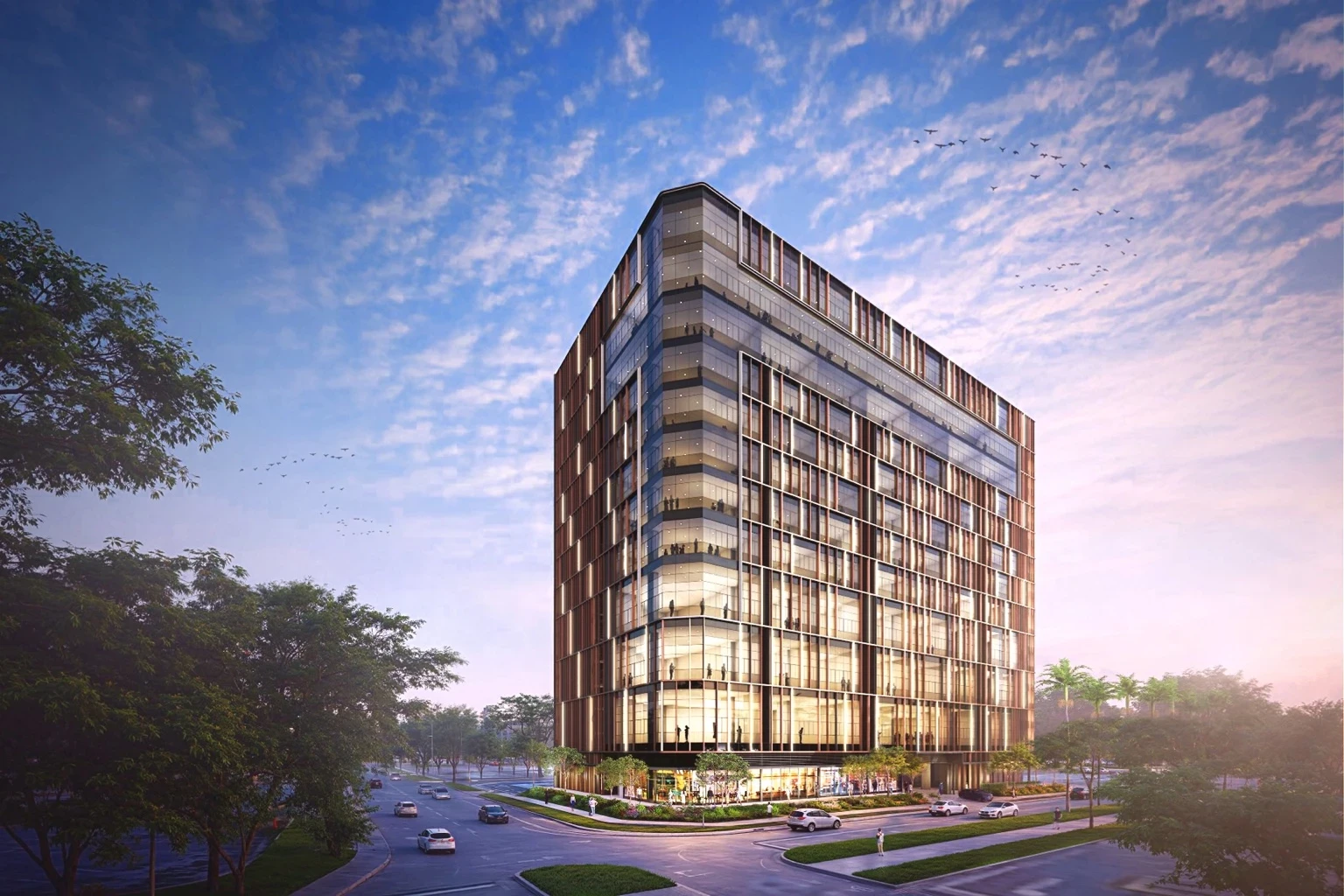
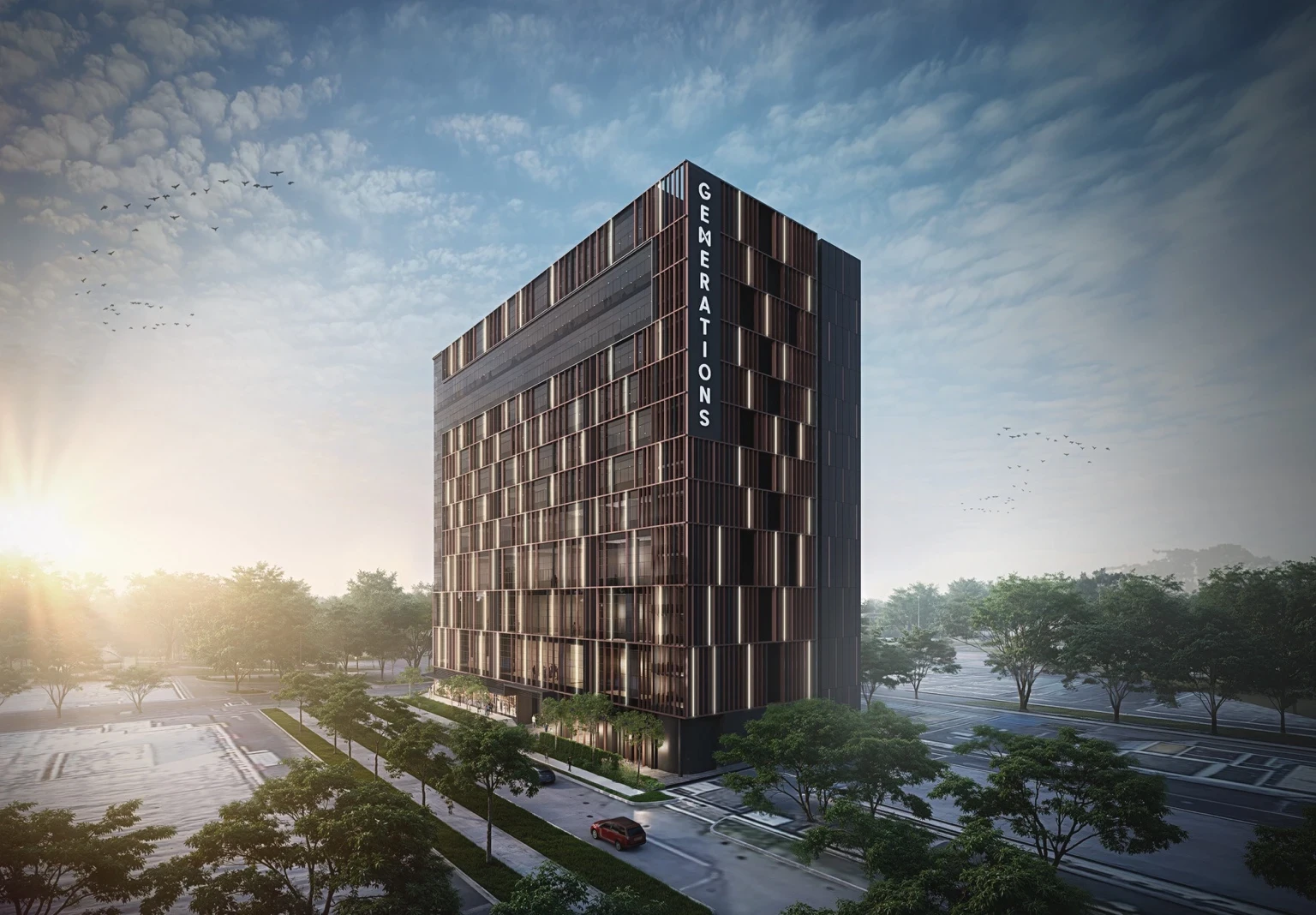
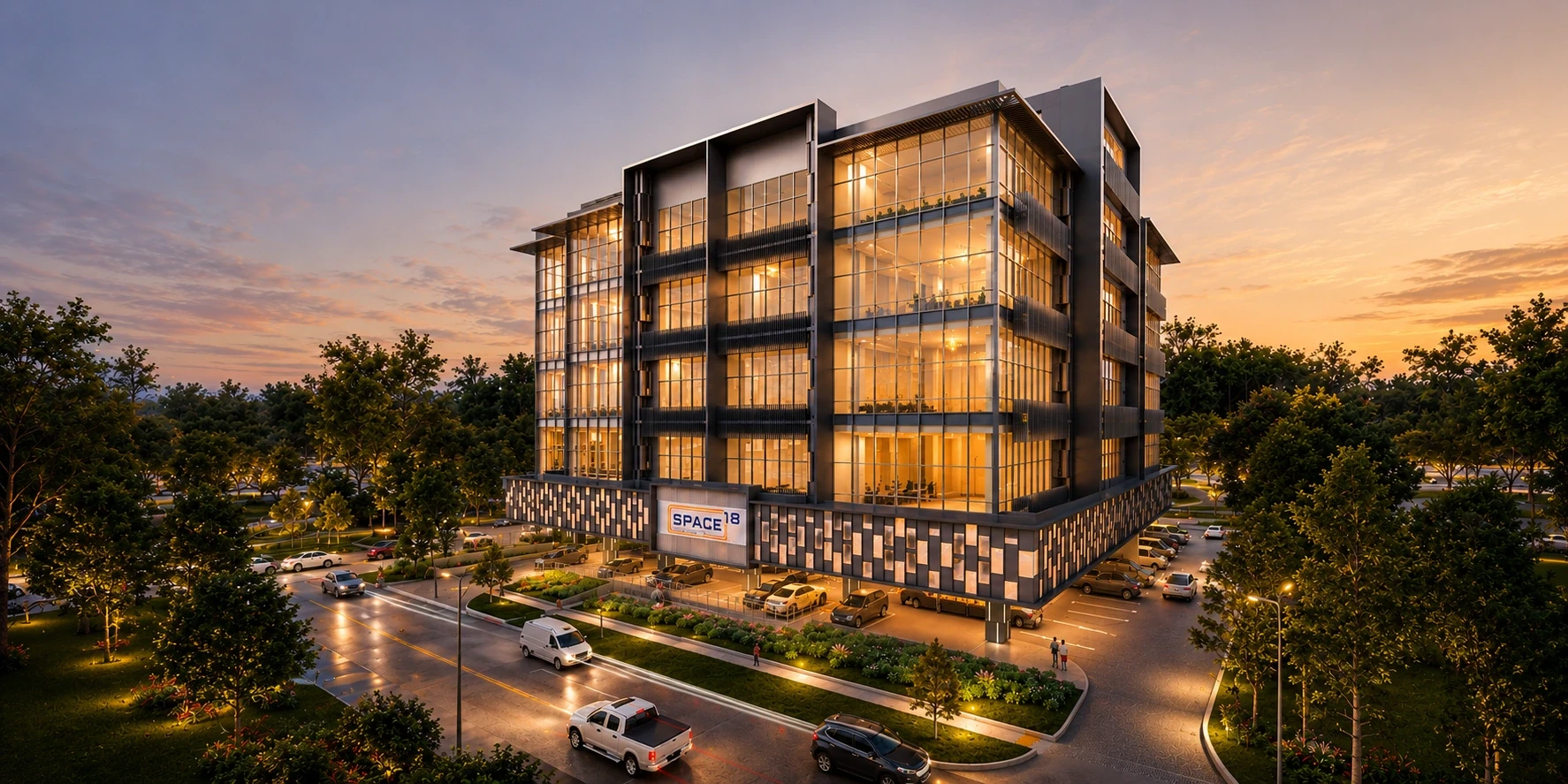
Generations at Tannery is a rare freehold B1 industrial development located at 71 Tannery Lane in Singapore’s city-fringe District 13. Designed for modern businesses and investors, the 12-storey development offers high-specification industrial units ranging from 150 sqm to 248 sqm, with ramp-up vehicular access up to the 5th floor and six large-capacity KONE cargo lifts. Positioned within the established MacPherson–Tannery industrial cluster, the project is approximately a 5-minute walk to Mattar MRT Station and enjoys excellent connectivity to major expressways including PIE, KPE, and CTE. Its B1 zoning supports a wide range of light industrial and business uses such as e-commerce, media production, technology, R&D, precision engineering, and ancillary office operations. Generations at Tannery stands out for its freehold tenure — a rarity in Singapore’s industrial market where most developments are leasehold. The project also appeals to investors due to the absence of ABSD, foreigner eligibility, and strong long-term industrial demand driven by logistics, technology, and advanced manufacturing sectors. Combining accessibility, flexibility, and scarcity value, Generations at Tannery presents an attractive opportunity for both owner-occupiers and industrial property investors seeking a premium city-fringe asset.
ABOUT THE PROPERTY
B1 Industrial
Generations at Tannery is a rare freehold B1 industrial development located at 71 Tannery Lane in Singapore’s city-fringe District 13. Designed for modern businesses and investors, the 12-storey development offers high-specification industrial units ranging from 150 sqm to 248 sqm, with ramp-up vehicular access up to the 5th floor and six large-capacity KONE cargo lifts. Positioned within the established MacPherson–Tannery industrial cluster, the project is approximately a 5-minute walk to Mattar MRT Station and enjoys excellent connectivity to major expressways including PIE, KPE, and CTE. Its B1 zoning supports a wide range of light industrial and business uses such as e-commerce, media production, technology, R&D, precision engineering, and ancillary office operations. Generations at Tannery stands out for its freehold tenure — a rarity in Singapore’s industrial market where most developments are leasehold. The project also appeals to investors due to the absence of ABSD, foreigner eligibility, and strong long-term industrial demand driven by logistics, technology, and advanced manufacturing sectors. Combining accessibility, flexibility, and scarcity value, Generations at Tannery presents an attractive opportunity for both owner-occupiers and industrial property investors seeking a premium city-fringe asset.
PROJECT INFORMATION
DEVELOPER
Providence Estates (Tannery) Pte Ltd
PROJECT NAME
Generations @ Tannery
LAND TENURE
Freehold
LOCATION
71 Tannery Lane
EXPECTED TOP
Q1 2029
EXPECTED VACANT POSSESSION
31 Dec 2030
EXPECTED LEGAL COMPLETION
31 DEC 2033
BUILDING SPECS
Stories
12
Total Units
59
Carpark Lots
51
Ramp Up
Yes. Up to level 5
Floor to Floor Ht (M)
From 4.2 m to 6.125 m
Live Load (kN/m2)
From 5 kN/m2 to 7.5 kN/m2
Electrical Power (Amp)
From 63 Amp to 200 Amp
BUILDING SPECS
PASSENGER LIFTS
4
SERVICE LIFTS
2
PROVISION FOR EV LOTS
Yes
No. of canteens
5
SPECIAL UNITS
Dual-Key Units, Towkay Units
SITE AREA
3,150.10 Sq.M.
MAX GFA
16,190.34 Sq.M.

ABOUT THE AREA
TANNERY INDUSTRIAL CLUSTER (MACPHERSON)
Positioned within the established MacPherson–Tannery industrial cluster, the project is approximately a 5-minute walk to Mattar MRT Station and enjoys excellent connectivity to major expressways including PIE, KPE, and CTE. Its B1 zoning supports a wide range of light industrial and business uses such as e-commerce, media production, technology, R&D, precision engineering, and ancillary office operations.
ABOUT THE AREA
TANNERY INDUSTRIAL CLUSTER (MACPHERSON)
Positioned within the established MacPherson–Tannery industrial cluster, the project is approximately a 5-minute walk to Mattar MRT Station and enjoys excellent connectivity to major expressways including PIE, KPE, and CTE. Its B1 zoning supports a wide range of light industrial and business uses such as e-commerce, media production, technology, R&D, precision engineering, and ancillary office operations.


RELATED PROPERTIES
Discover related properties
similar to this
RELATED PROPERTIES
Discover related properties
similar to this

FAQ
Answers to the questions
we hear most
We’re here to make your property journey simple and clear. If you don’t see what you’re looking for, don’t hesitate to reach out, we’re happy to provide guidance and personalized advice.
Is there ABSD (Additional Buyer's Stamp Duty) for industrial property?
No. Unlike residential real estate, pure industrial properties in Singapore do not attract any Additional Buyer’s Stamp Duty (ABSD)—regardless of your nationality or how many properties you currently own. You are only required to pay the standard Buyer's Stamp Duty (BSD) alongside a 9% GST. If your purchasing company is GST-registered, that 9% can be claimed back as an input tax credit, making it entirely cost-neutral. When you compare this to the residential market—where Singaporeans pay 20% ABSD on a second home and foreigners face a massive 60% tax—the zero-ABSD nature of industrial space makes it a highly capital-efficient asset.
What is Seller's Stamp Duty (SSD) for industrial property?
A: Yes, but only if you sell the property within the first three years of purchasing it. This policy is in place to discourage short-term speculative "flipping." The SSD rates are calculated based on the sale price or market valuation (whichever is higher): • Sold within Year 1: 15% • Sold within Year 2: 10% • Sold within Year 3: 5% • Sold after Year 3: 0% (No SSD payable) If you are buying a new launch to house your SME operations or holding it as a medium-to-long-term investment, you will be completely unaffected by this tax once the three-year window passes.
What is a ramp-up industrial building?
A ramp-up industrial building features wide, structural ramps that allow vans, lorries, and commercial vehicles to drive directly to units on upper floors. This completely eliminates the daily bottleneck of waiting for shared cargo lifts. By allowing you to load and unload right at your doorstep, turnaround times are drastically cut. Because of this massive operational advantage, ramp-up units command high demand from logistics firms, e-commerce operators, and light manufacturers.
What is the difference between B1 and B2 industrial property?
The main difference comes down to the type of industrial activity each zoning permits and the environmental buffer required between the property and its surroundings. B1 industrial is designated for clean and light industrial use — businesses that generate minimal pollution, noise, or nuisance. Think light manufacturing, electronics assembly, R&D, printing and publishing, and similar trades. Because their environmental impact is low, B1 properties require a smaller buffer (under 50m) from residential areas and are often located close to, or even alongside, housing. B2 industrial is designated for general and heavy industrial use — activities with a higher environmental impact such as heavy manufacturing, vehicle servicing, chemical processing, and biotech operations. These require a larger nuisance buffer (50m or more) and are typically sited further away from residential zones. Both B1 and B2 are subject to URA's 60:40 rule: at least 60% of gross floor area must be used for core industrial activities (manufacturing, warehousing, or R&D), while up to 40% may be used for ancillary purposes like offices, showrooms, or staff amenities. In short: if your business involves clean, light operations, a B1 property is suitable and offers more convenient locations. If you run heavier industrial processes, you'll need a B2 property — which also permits the full range of B1 uses.
Can foreigners buy industrial property in Singapore?
Yes. Foreigners can freely purchase industrial property in Singapore, including both B1 (light industrial) and B2 (general/heavy industrial) units. Unlike residential property, industrial and commercial property is not restricted under the Residential Property Act, so there is no need to seek government approval based on nationality. There are two practical advantages that make industrial property especially attractive to foreign buyers. First, no Additional Buyer's Stamp Duty (ABSD) applies — ABSD is charged only on residential purchases, where foreigners currently face a 60% rate. Second, ownership rules are more open, with no citizenship or residency requirement to hold an industrial unit. A few points to keep in mind. Many industrial properties, particularly those on JTC-leased land, carry eligibility conditions that can favour Singapore-incorporated companies or require the buyer to operate a qualifying business, so the purchasing entity often matters more than the individual's nationality. You should also confirm the property's zoning, as developments classified as "commercial and residential" are treated as residential under the Residential Property Act and would then carry the associated foreign-ownership restrictions and ABSD. In short: foreigners can buy industrial property in Singapore with no nationality-based restriction and no ABSD — but it's worth checking the specific tenure, zoning, and any JTC conditions tied to the unit before committing.
FAQ
Answers to
the questions
we hear most
We’re here to make your property journey simple and clear. If you don’t see what you’re looking for, don’t hesitate to reach out, we’re happy to provide guidance and personalized advice.
Is there ABSD (Additional Buyer's Stamp Duty) for new launches industrial property?
No. Unlike residential real estate, pure industrial properties in Singapore do not attract any Additional Buyer’s Stamp Duty (ABSD)—regardless of your nationality or how many properties you currently own. You are only required to pay the standard Buyer's Stamp Duty (BSD) alongside a 9% GST. If your purchasing company is GST-registered, that 9% can be claimed back as an input tax credit, making it entirely cost-neutral. When you compare this to the residential market—where Singaporeans pay 20% ABSD on a second home and foreigners face a massive 60% tax—the zero-ABSD nature of industrial space makes it a highly capital-efficient asset.
What is Seller's Stamp Duty (SSD) for industrial property?
A: Yes, but only if you sell the property within the first three years of purchasing it. This policy is in place to discourage short-term speculative "flipping." The SSD rates are calculated based on the sale price or market valuation (whichever is higher): • Sold within Year 1: 15% • Sold within Year 2: 10% • Sold within Year 3: 5% • Sold after Year 3: 0% (No SSD payable) If you are buying a new launch to house your SME operations or holding it as a medium-to-long-term investment, you will be completely unaffected by this tax once the three-year window passes.
What is a ramp-up industrial building?
A ramp-up industrial building features wide, structural ramps that allow vans, lorries, and commercial vehicles to drive directly to units on upper floors. This completely eliminates the daily bottleneck of waiting for shared cargo lifts. By allowing you to load and unload right at your doorstep, turnaround times are drastically cut. Because of this massive operational advantage, ramp-up units command high demand from logistics firms, e-commerce operators, and light manufacturers.
What are the differences between B1 and B2 industrial classification?
The Urban Redevelopment Authority (URA) classifies industrial spaces based on the environmental impact of the business operations. • B1 (Light Industrial): Designed for clean, low-impact operations like e-commerce, IT, R&D, media, and light manufacturing. Because they generate minimal noise or emissions (requiring a nuisance buffer of 50m or less), B1 properties are often located in highly accessible city-fringe areas. • B2 (Heavy Industrial): Reserved for heavier operations like automotive workshops, metal fabrication, and heavy manufacturing. These activities generate noise, vibration, or emissions, requiring a strict buffer of more than 50m from residential zones.
Is buying an industrial property better than renting?
Why Acquire Private Industrial Space? • Build Equity, Not Rent: Turn your monthly operational costs into a permanent asset with capital appreciation potential. • Total Operational Control: Enjoy permanent security of tenure. Customize your facility without landlord restrictions. • Subletting Potential: Generate secondary revenue by renting out any surplus space. • The Investor’s Edge: Secure high-yield, often freehold assets with zero Additional Buyer’s Stamp Duty (ABSD). • Need-to-Know Mechanics: Commercial purchases require cash and bank financing (no CPF allowed). Buyers must also account for upfront GST and a 3-year holding period to avoid Seller's Stamp Duty (SSD).
Your journey
starts here
Shortlisted this project? Contact us to get more insights!
Your journey
starts here
Shortlisted this project? Contact us to get more insights!